
When Should You Remove a Tree Near a Septic System?
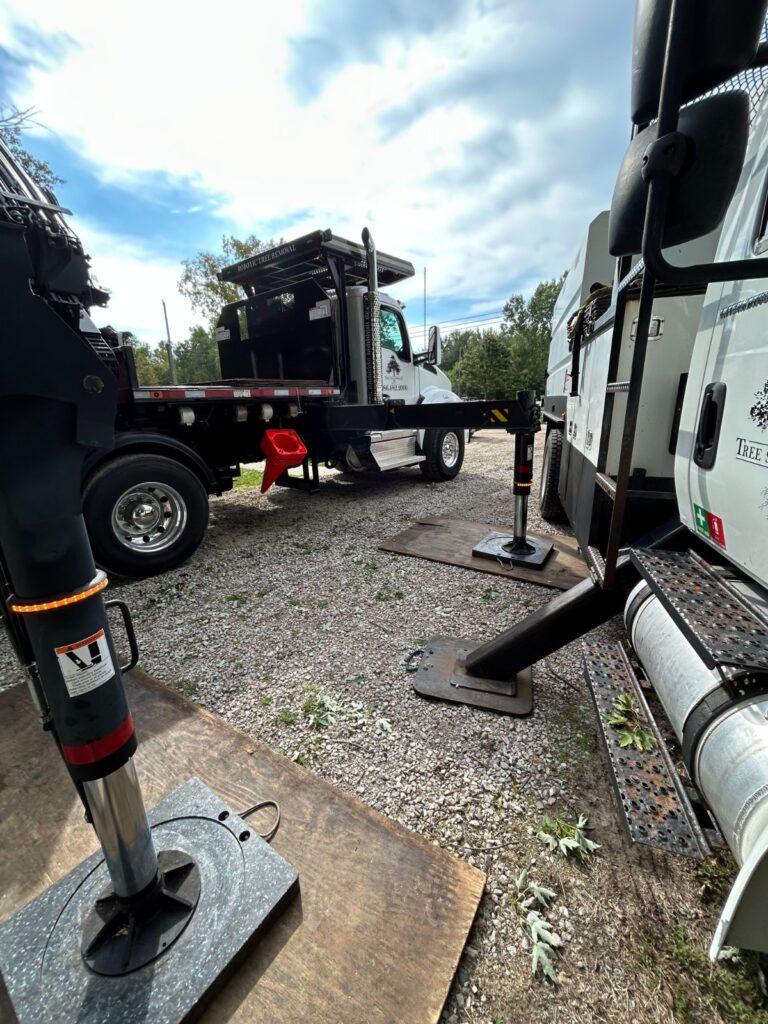
A mature tree can be one of the best features of a Michigan property. It provides shade, privacy, wildlife habitat, and seasonal beauty. But when that tree is growing too close to a septic system, its roots can create a problem that homeowners may not notice until the damage has already begun. Tree roots naturally […]
Common Michigan Trees and Their Most Common Problems
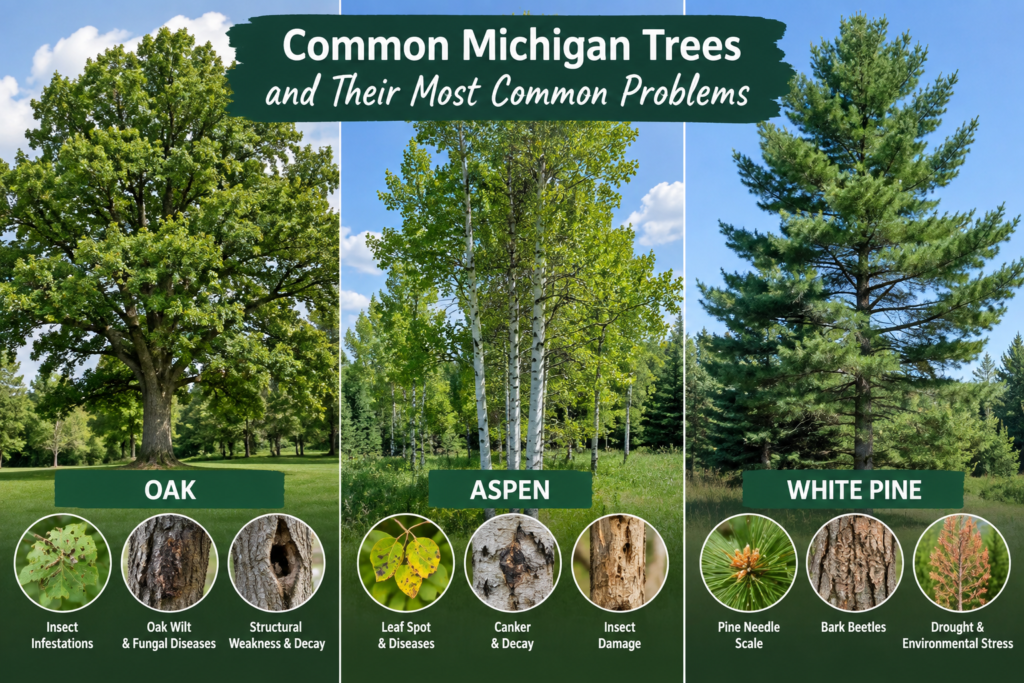
Michigan is home to a wide range of trees, from sugar maples and red oaks to white pines, birches, aspens, and eastern hemlocks. Many of these trees grow well in Michigan’s climate. Being native or well established does not make a tree safe from disease, insects, weather damage, or structural problems. Michigan’s forests cover about […]
Can Tree Roots Damage a Septic System? What Michigan Homeowners Should Know

Trees and septic systems can coexist on the same property, but their locations matter more than many homeowners realize. A tree may look perfectly healthy above ground while its roots are spreading beneath the soil toward moisture and nutrients. If those roots reach septic pipes or the drainfield, they can create problems that are difficult […]
10 Most Common Tree Species in Michigan and How to Care for Them
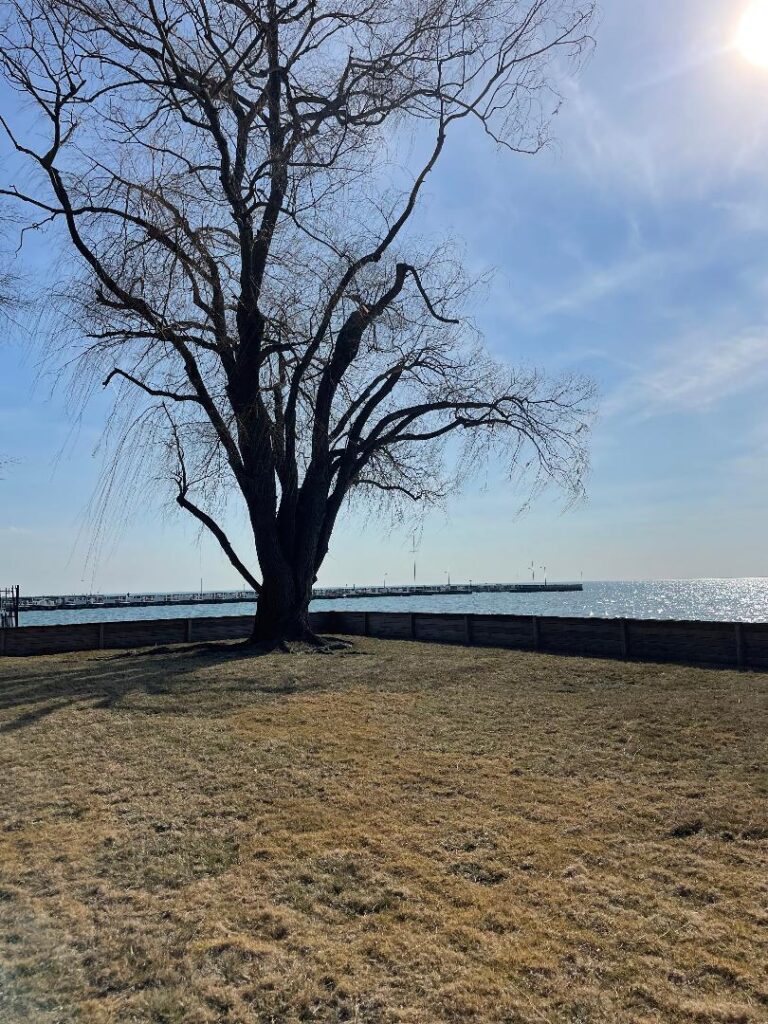
Michigan’s landscape would look very different without its trees. From sugar maples that turn bright red and orange in fall to tall eastern white pines, the state has many hardwoods and conifers. Trees are also a major part of Michigan’s forests. According to the USDA Forest Service, the sugar maple-beech-yellow birch forest type accounts for […]
Falling Tree Damage to Structures, Fences, and Utilities
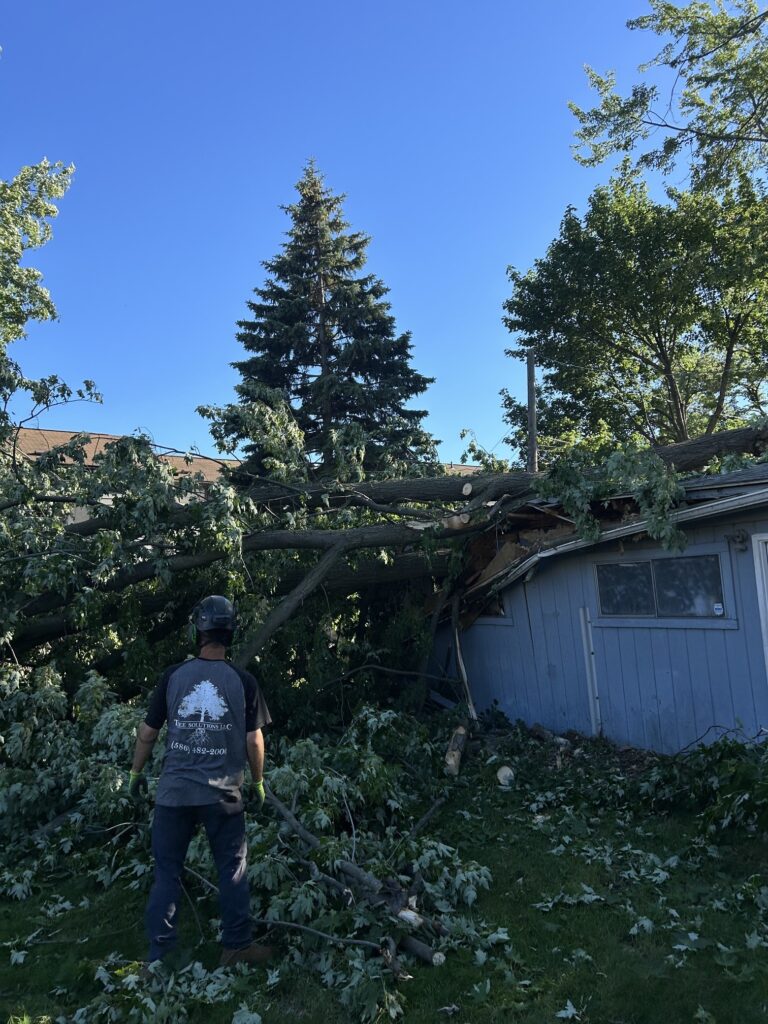
A mature tree can look solid and healthy for years, yet a single storm can turn it into a serious hazard. High winds, heavy snow, ice, saturated soil, disease, and structural defects can cause a tree or large branch to fail with little warning. When that happens, the damage can extend far beyond the tree […]
Why Most Homeowners Underestimate Tree Removal Complexity
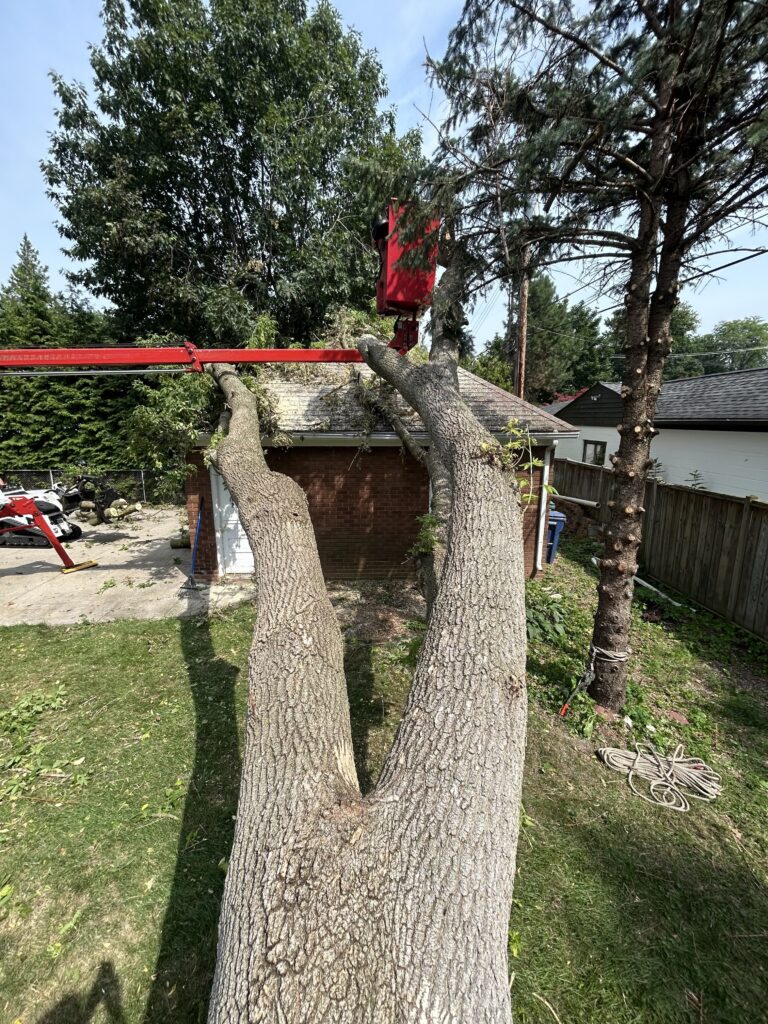
Removing a tree may look simple from the ground. A homeowner sees a trunk, a chainsaw, and some open space, then assumes the job can be completed in a few hours. However, professional arborists know that tree removal is one of the most technically challenging and hazardous services in the tree care industry. Every year, […]
The Most Common Root Causes of Hazard Tree Conditions
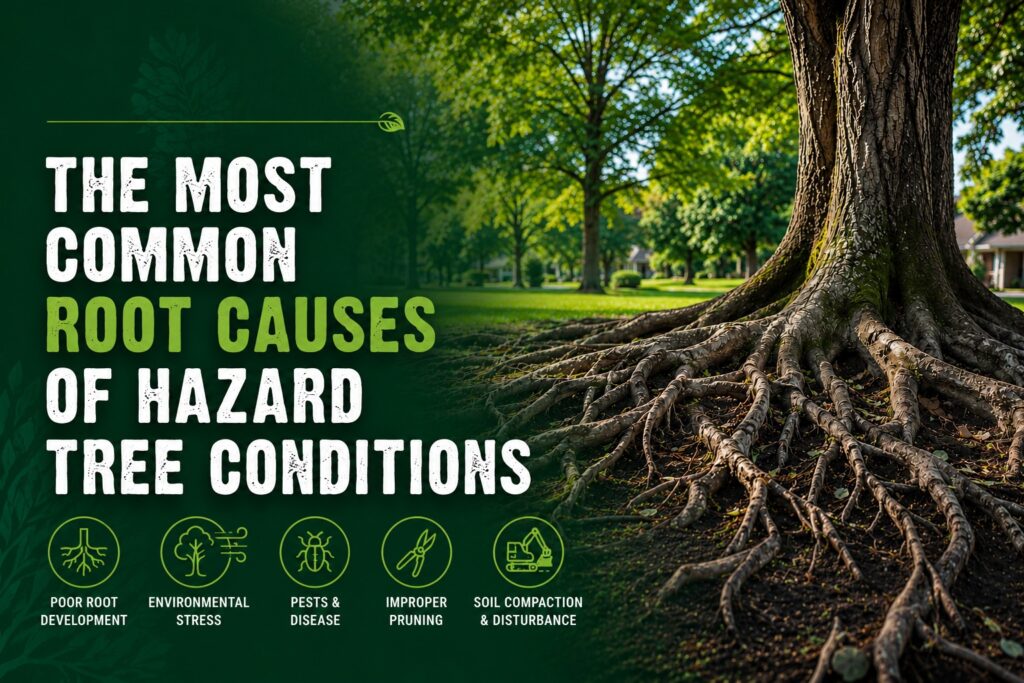
When people think about dangerous trees, they usually focus on what they can see above ground, a leaning trunk, dead branches, a hollow cavity, or a cracked limb. But in many cases, the real problem is hidden underground. According to the International Society of Arboriculture (ISA), root defects, soil conditions, and root damage are among […]
Improper Stump Handling Invites Termites and Fungal Growth
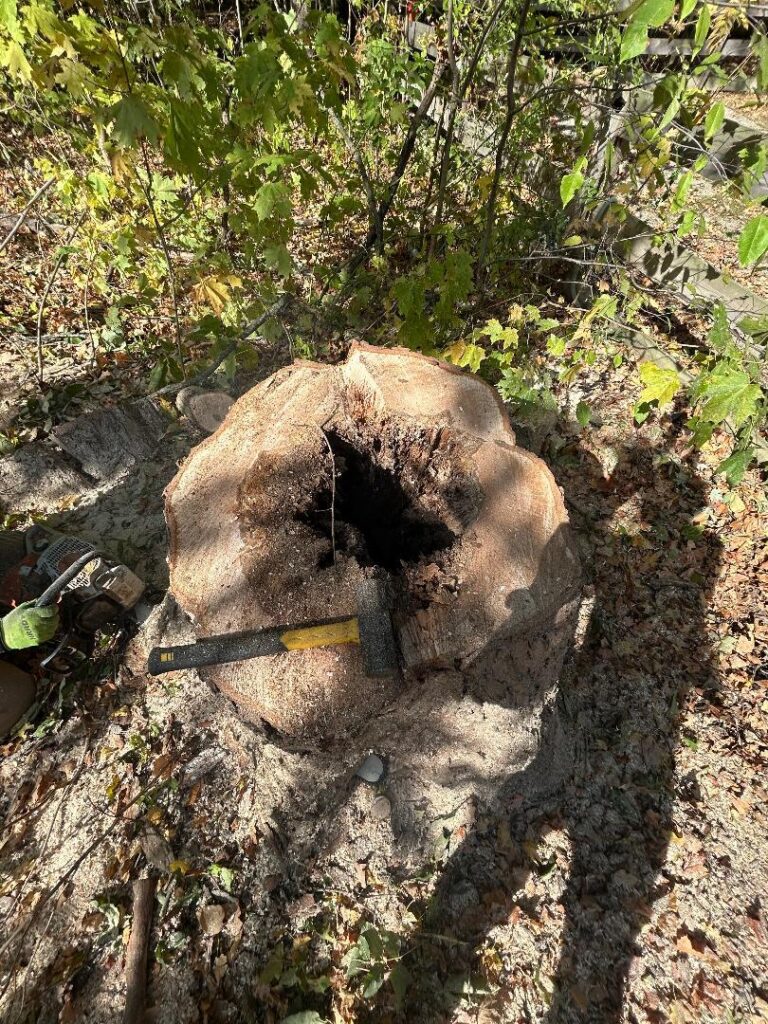
Most homeowners breathe a sigh of relief when a tree is finally removed. The hazardous limbs are gone, the trunk has been cut down, and the yard looks safer and cleaner. But what happens next is often overlooked. The remaining stump may seem like a minor issue, something that can be dealt with later. In […]
When Treatment or Monitored Retention Is the Appropriate Alternative
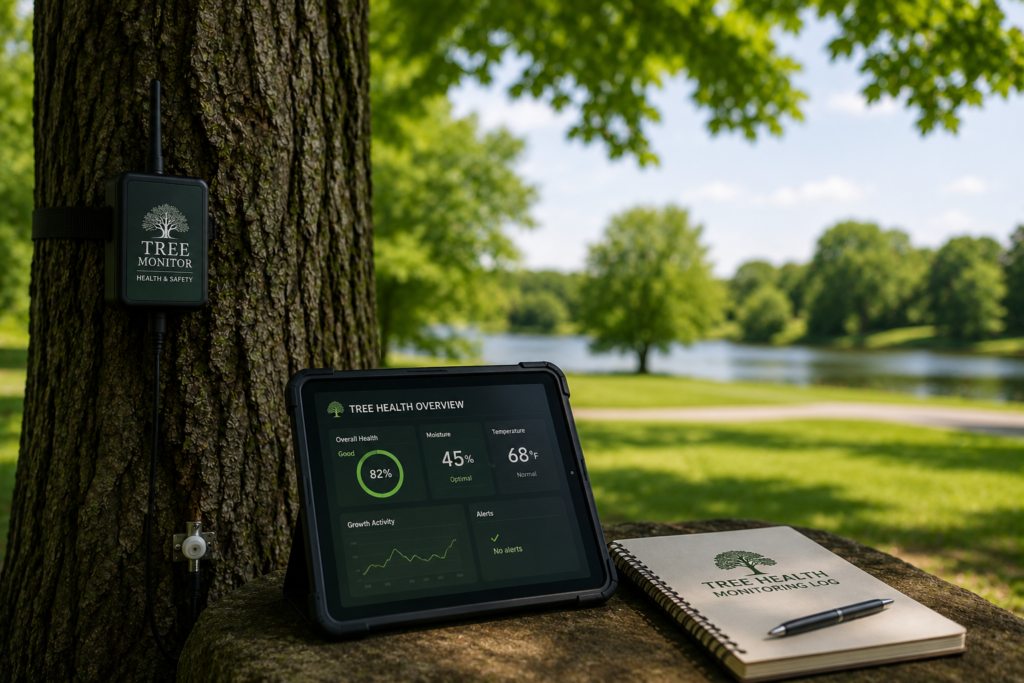
When homeowners notice signs of tree damage, dead branches, leaning trunks, cavities, fungal growth, or storm-related stress, the first thought is often simple: Does this tree need to come down? But tree removal is not always the best solution. In many cases, professional arborists determine that a tree can remain safely in place through a […]
Why ISA Certification Matters in Hazard Tree Assessment
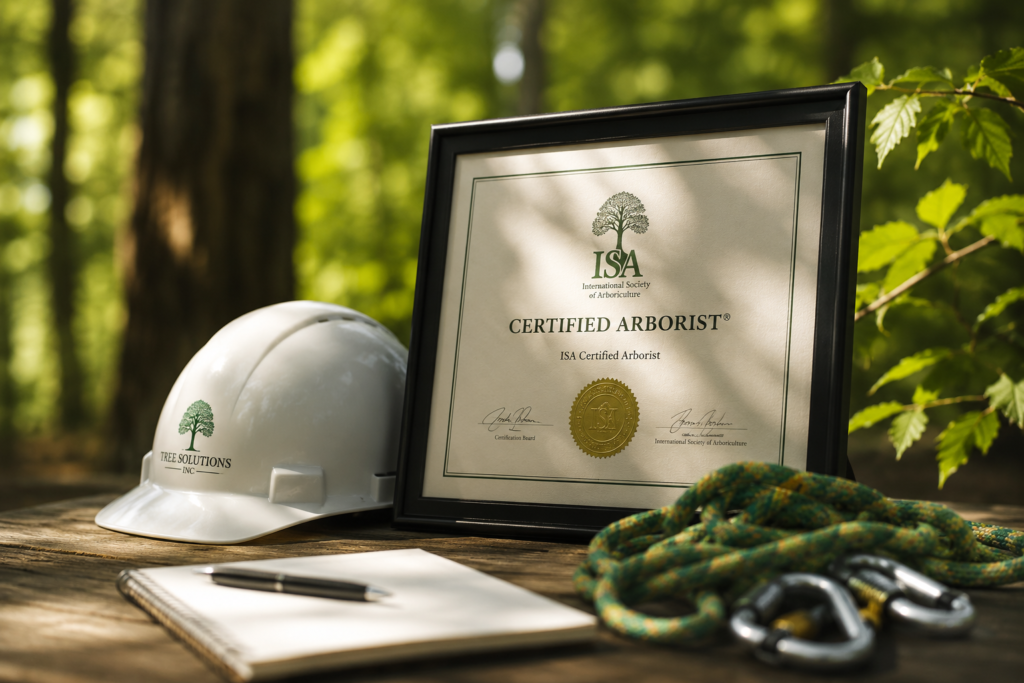
Trees are among the most valuable assets on any property. They provide shade, improve curb appeal, increase property value, reduce storm water runoff, and contribute to healthier communities. But when a tree becomes structurally compromised, diseased, or storm-damaged, it can quickly shift from an asset to a liability. This is where hazard tree assessment becomes […]